
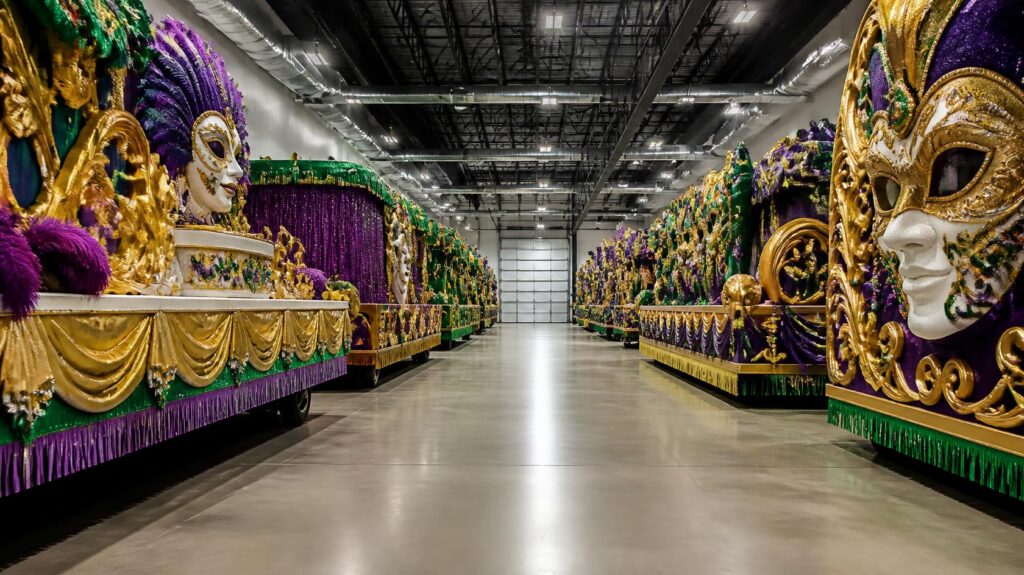
Mardi Gras floats are built to be seen, celebrated, and remembered, but the work does not end when parade season is over. Decorations, sculpted pieces, props, banners, fabrics, lighting, signs, and other reusable materials often need to be stored for months before they are needed again. In New Orleans, where heat and humidity are part of the local climate, the environment where those materials are kept can matter almost as much as how they are packed. For krewes, artists, community groups, and organizations that need additional storage units in New Orleans, storage can provide a practical place for Mardi Gras materials between seasons.
Climate-controlled storage is especially worth considering for float components made from materials that may react poorly to temperature and moisture changes. Not every decoration requires the same level of protection, but knowing which items are more sensitive can help you avoid unnecessary damage before the next parade season arrives.
Why New Orleans Weather Matters for Mardi Gras Storage
New Orleans is known for warm, humid conditions, particularly during the spring and summer months that follow Carnival season. Materials placed in an uncontrolled environment can be exposed to temperature swings and prolonged humidity during the long off-season. That can be a concern for items made from paper, wood, fabric, adhesives, certain paints, electronics, and other sensitive materials.
Humidity can be especially challenging because it may contribute to warping, odors, mildew, corrosion, or deterioration when belongings are not properly prepared. Climate-controlled storage is designed to maintain a more stable interior environment than standard outdoor storage. That additional consistency can be useful when float pieces or decorations will remain stored for months.
The City of New Orleans also treats Mardi Gras as a major regulated event, with specific permitting requirements for parade activity, stands, vendors, and other seasonal operations. The City of New Orleans Mardi Gras Permits page outlines current seasonal permitting information and reinforces just how much planning goes into Carnival well before parade day.
What Is Climate-Controlled Storage?
Climate-controlled storage generally provides a more moderated indoor environment than a standard unit. Depending on the facility, temperature is controlled within an established range, and some facilities may also manage humidity to some degree.
The goal is not to create museum conditions or preserve belongings indefinitely. Instead, climate control can reduce exposure to the extreme heat and environmental fluctuations that may occur inside an ordinary storage space. That can make it a better fit for certain float materials and supplies.
If your krewe stores artwork, costumes, documents, electronics, wooden props, or other sensitive pieces, climate-controlled storage in New Orleans may be worth considering. Before renting, ask what environmental controls are provided and make sure they match the needs of the materials you plan to store.
Which Mardi Gras Materials May Benefit Most?
Not every Mardi Gras item needs climate-controlled storage. Durable metal frames, certain outdoor-rated equipment, and materials designed for exposure to the elements may tolerate ordinary storage conditions better than delicate decorative pieces.
Items that may deserve additional consideration include:
- Painted wooden decorations
- Papier-mâché or paper artwork
- Costumes and fabrics
- Photographs and printed materials
- Electronic lighting or control equipment
- Musical or performance equipment
- Adhesive-backed signage
- Books and krewe records
- Decorative props with mixed materials
- Reusable banners and fabric panels
The more difficult, expensive, or time-consuming an item would be to replace, the more important proper storage becomes. A custom hand-painted piece that took weeks to create deserves more protection than inexpensive disposable décor.
Protect Papier-Mâché and Painted Pieces
Mardi Gras float construction often involves lightweight decorative materials, painted surfaces, and sculpted pieces. These items can be visually impressive but may also be more vulnerable during extended storage.
Before storing them, make sure every piece is completely dry. Moisture trapped inside a painted or paper-based decoration can create problems later, especially when the item is packed tightly or covered with plastic.
Avoid stacking heavy objects on fragile sculpted pieces. Store them upright or on stable shelving when possible, and use protective materials that prevent scraping without putting unnecessary pressure on the surface. Photographs taken before storage can also help crews remember how pieces were assembled.
Store Costumes and Fabrics Carefully
Costumes, banners, drapes, flags, and fabric decorations are another category that can benefit from thoughtful storage. Fabric should always be clean and completely dry before being packed away.
Use clean containers that protect fabric from dust while allowing you to organize costumes by krewe, parade, or role. Avoid compressing elaborate costumes too tightly, especially when they include feathers, structured shapes, beading, or decorative trims.
If fabrics will remain stored for most of the year, periodically checking them can be worthwhile. A quick inspection gives you time to address any odor, moisture, or packing problems long before the next Carnival season.
Electronics Need Extra Attention
Modern floats may include lighting, sound equipment, control systems, batteries, wiring, and other electronic components. These items often require different storage considerations than decorative materials.
Before storage, disconnect equipment according to manufacturer recommendations and remove batteries from devices when appropriate. Batteries left inside unused equipment for months can leak or corrode, potentially damaging the device.
Electronic components should also be protected from dust and moisture. Climate-controlled storage may provide a more suitable environment for sensitive electronics than a space exposed to New Orleans’ heat and humidity year-round.
Don’t Forget About Adhesives, Paints, and Craft Supplies
Float-building supplies can create storage challenges of their own. Certain paints, adhesives, solvents, and chemicals may have temperature restrictions or may not be permitted in a storage unit at all.
Always review the facility’s prohibited-items policy before storing leftover building materials. Flammable, hazardous, or pressurized materials generally require appropriate handling and should not simply be packed with costumes or decorations.
Instead, focus your storage unit on finished props, permitted tools, decorations, costumes, records, and other approved materials. Keeping chemicals and restricted supplies out also helps maintain a cleaner, more organized workspace.
Organize Storage by Float or Krewe Project
Climate control is useful, but organization still matters. A perfectly protected storage unit can become frustrating if no one knows where anything is.
Group items by float, parade, or project instead of simply stacking boxes wherever they fit. Use large labels that volunteers can read quickly, and consider numbering containers so they correspond with a digital inventory.
Keep early-season materials toward the front. If your team starts by repairing frames and repainting major pieces, those supplies should be easier to access than costumes or final decorative details, which may not be needed until much later.
Plan for Access Throughout the Year
Many krewes work on floats throughout the year rather than waiting until the final weeks before Carnival. That means your storage space should support repeated access, not just long-term packing. Leave a clear walkway when space allows. Place heavy containers on lower shelves and lighter decorations above them, and avoid blocking frequently needed supplies behind oversized props.
The City of New Orleans requires permitting for parades and special events, including detailed route, cleanup, and application requirements. Its Parade and Second-Line permitting page is a useful official resource for understanding the planning behind events involving floats and throws.
Consider Vehicle and Trailer Storage Separately
Mardi Gras organizations may use trailers, trucks, recreational vehicles, or other large equipment in addition to float decorations and supplies. Those items often require a different storage setup than climate-sensitive materials.
If your group needs space for a trailer or another suitable vehicle, RV & boat storage in New Orleans may provide another option. Confirm available dimensions, access requirements, and facility policies before moving any vehicle onto the property.
Separating vehicles from climate-controlled materials can also make organization easier. Decorations, costumes, electronics, and records can remain indoors, while trailers and larger approved equipment have their own designated space.
Climate Control Doesn’t Replace Good Packing
Even the best storage environment cannot compensate for poor preparation. Items should still be cleaned, dried, labeled, and protected before they go into storage.
Fragile props should be wrapped carefully, costumes should be clean, and electronic equipment should be packed according to manufacturer recommendations. Boxes should be sturdy enough for long-term stacking, and labels should remain visible after everything is arranged.
It’s also wise to avoid filling every inch of available space. Leaving some room around large decorations can make them easier to inspect and reduce the likelihood of accidental damage during later visits.
Use the Off-Season for Repairs and Inventory
One of the biggest advantages of organized storage is that it makes year-round preparation easier. Instead of waiting until Carnival approaches, use the off-season to identify damaged decorations, missing supplies, worn costumes, and items that need repainting.
An inventory can help prevent duplicate purchases and forgotten materials. If a krewe has dozens of boxes of decorations, a simple spreadsheet showing where each category is located can save hours of searching.
Regular inspections also help you decide what is worth keeping. Discarding damaged or outdated materials creates more space for the pieces that will actually return to the parade route.
Is Climate-Controlled Mardi Gras Storage Worth It?
For many krewes, the answer depends on what is being stored. Durable outdoor equipment may not require the same level of protection as painted artwork, fabric costumes, electronics, documents, or custom decorative pieces.
Climate-controlled storage can be particularly valuable when materials are expensive, difficult to reproduce, or expected to remain stored for most of the year. In New Orleans, the combination of heat, moisture, and a long off-season makes environmental protection worth considering.
The best approach is to separate belongings by sensitivity. Use climate-controlled space for the materials that benefit most, while finding appropriate alternatives for oversized frames, vehicles, and other durable equipment.
Protecting Mardi Gras Float Materials Between Carnival Seasons
Climate-controlled Mardi Gras float storage is less about protecting an entire full-size float and more about preserving the pieces that make it special. Painted props, papier-mâché decorations, costumes, banners, electronics, records, and reusable artwork can all require more careful storage than durable structural components.
For krewes, artists, community organizations, and residents preparing for the next Carnival season, self-storage in New Orleans can provide extra space for Mardi Gras materials. By choosing the right environment, packing carefully, and staying organized during the off-season, you can spend less time repairing last year’s damage and more time building what comes next.